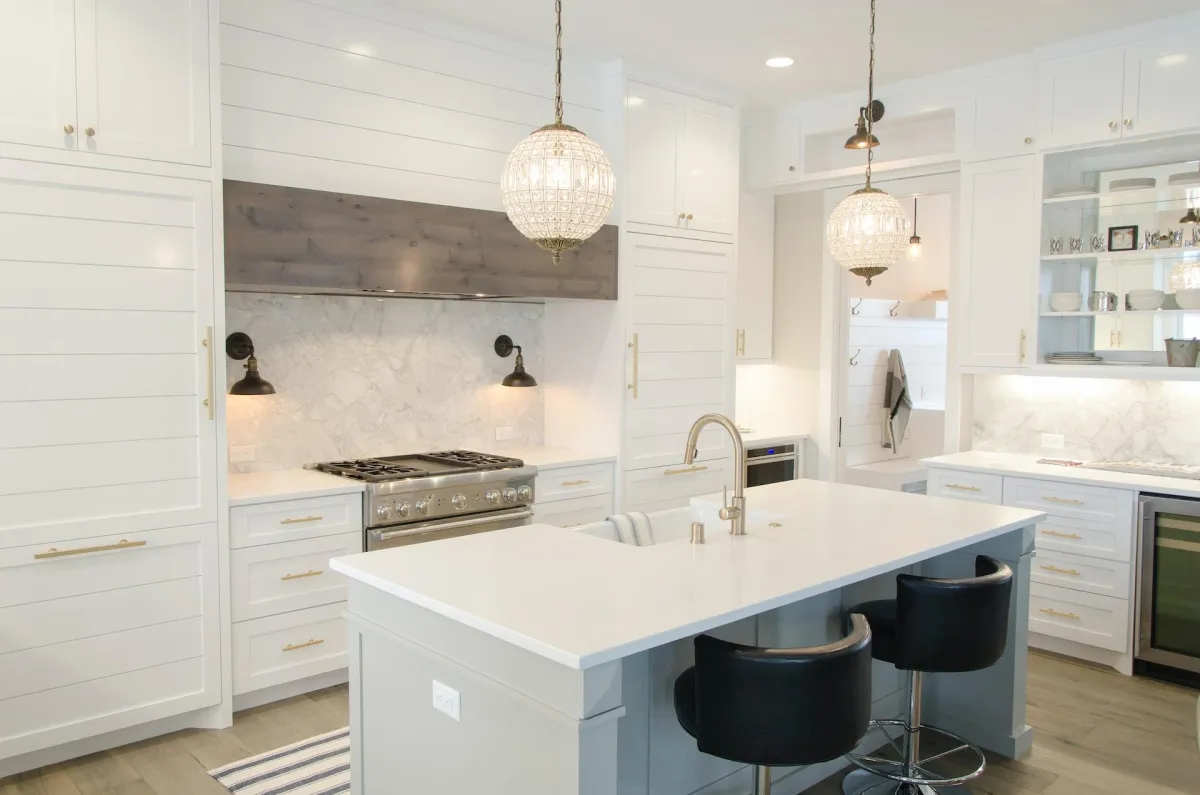
Explore Cabinet Colors for Low Light Kitchens
The right cabinet color can transform a kitchen, especially if your kitchen tends to be on the darker side. Choosing the right hue in a low-light setting is tricky but not impossible. Colors can look different under varying light conditions, changing the room's vibe from bright and cheery to dim and drab if you're not careful.
Cabinets play a big role in defining the kitchen’s atmosphere, and opting for the wrong color could make the space feel even dimmer. Creating a bright, welcoming space in a low-light kitchen requires a few key strategies to make the best color choice. With the right selection, even the darkest kitchen corners can feel light and inviting.
Don’t let dim lighting hold your creativity back. There are many ways to choose a color that enhances the light you have and complements your kitchen's overall look. With a bit of careful planning, you can select a color that will make your kitchen look and feel fabulous, no matter the natural light level.
Understanding How Light Affects Cabinet Color
In kitchens with low light, colors often behave differently than they appear on a color wheel or in a brightly lit showroom. It’s like when you put on a shirt at home and it looks a bit off compared to how it looked under the store's lights.
Different lighting conditions can alter a color’s appearance, sometimes making it seem darker or less vibrant. Fluorescent lights tend to cast a cool, bluish hue, which can take the warmth out of certain colors. Meanwhile, incandescent and LED lights may give a yellowish tone, warming up or dulling a color depending on its hue.
When choosing cabinet colors for a low-light kitchen, it is crucial to test them under various lighting conditions. Throughout the day, sunlight changes color and intensity, which affects how the paint looks. Morning light might enhance a color, while evening light could make it appear muted or washed out.
To really see how a color will look, test it in different spots around the kitchen where light varies. This might mean painting a sample swatch in areas that receive morning light versus those that stay shaded all day.
This process helps determine whether the cabinet color will create the desired effect even when lighting changes. It’s a small step but crucial for achieving a kitchen look that feels consistent and appealing all day long.
Choosing Bright and Reflective Colors to Enhance Light
For those struggling with a dim kitchen, choosing bright and reflective colors can work wonders in opening up the space. Certain colors, like whites and pastels, help bounce light around the room, making it feel more spacious.
Light shades of gray and beige can also add a sophisticated touch without soaking up available light. These colors complement the natural light, even if it’s minimal, by reflecting it instead of absorbing.
Here are some color suggestions to consider for low-light kitchens:
Bright Whites: Create a clean, crisp look and offer maximum light reflection.
Soft Pastels: Add a hint of color while maintaining brightness. Think light blues, greens, or pinks.
Light Grays and Beiges: Offer a neutral option that can warm the space without overwhelming it.
These colors not only change the feel of your space but also improve the light quality experienced within the room. They work by reflecting the available light and dispersing it evenly across surfaces.
When combined with adequate artificial lighting, these colors enhance the area’s brightness significantly. Selecting the right shade can transform your kitchen, ensuring it feels inviting and well-lit all year round.
Incorporating Accents and Contrast for Depth
Adding depth to your kitchen with cabinets that reflect light is a clever design trick. While bright and reflective colors enhance the light, incorporating darker accents or contrasting features can offer an interesting visual balance.
This combination prevents the kitchen from feeling too washed out or monotonous. For example, if you choose white cabinets, you can add a dark granite or quartz countertop to provide contrast. These darker elements act like bookends, framing the brightness and adding richness to the overall look.
Dark moldings, handles, or even a bold backsplash can add sophistication. Use these contrasts strategically in areas where natural light reaches, making sure they draw the eye without overwhelming the space.
Materials such as metallics or glass can also enhance your cabinet’s appeal. Metallic finishes add a touch of glamor and work well with reflective surfaces, while glass elements let light travel freely, maintaining a sense of openness and airiness.
For a more cohesive look:
Pair light-colored cabinets with dark flooring or trim.
Use metallic finishes for handles or light fixtures.
Incorporate a glass backsplash or accents to allow light play.
Achieving a harmonious balance between light cabinets and darker accents helps create a layered and dynamic design that stands the test of time.
Practical Tips for Testing and Deciding on a Color
Choosing the perfect cabinet color often starts with testing. This helps avoid surprises once the paint is on. Sample swatches are a practical starting point. Get small samples and place them in various areas of your kitchen. This lets you observe how the color looks across different times of the day and under different lighting conditions.
Paint larger sample patches on your walls or cabinets instead of relying solely on small swatches. These larger samples give you a more accurate picture of how the color works with your kitchen's ambiance. Rotate these paint patches through different lighting scenarios, such as morning sunlight or evening lamplight.
While testing, consider other kitchen elements like countertops, backsplashes, and flooring. The goal is to select a cabinet color that complements the existing features. Think of these elements as a united team, with each part playing a role in the overall aesthetic.
Tips for a seamless decision-making process:
Use test samples for realistic previews.
Evaluate colors at different times for a comprehensive view.
Compare with existing elements to ensure harmony.
These practical steps aid in choosing a color that reflects your taste while enhancing your kitchen’s natural light and character.
Conclusion
Picking the right cabinet color for a low-light kitchen doesn't have to be daunting. The transformation from dim and drab to bright and inviting starts with thoughtful decisions on color and materials. Each element, from vibrant cabinet colors to carefully chosen accents, adds layers of depth and interest. This attention to detail ensures that your kitchen not only serves as a functional space but also as a beautiful, cohesive part of your home.
Are you looking to embark on a kitchen remodel that enhances every corner of your space? The Cabinet Gurus are ready to bring their expertise to your project. Whether it’s choosing the perfect cabinet shade or advising on the right accents for depth, we’ve got your back.
Let our kitchen cabinet designers help brighten your kitchen, making it a welcoming place for cooking and gathering alike.